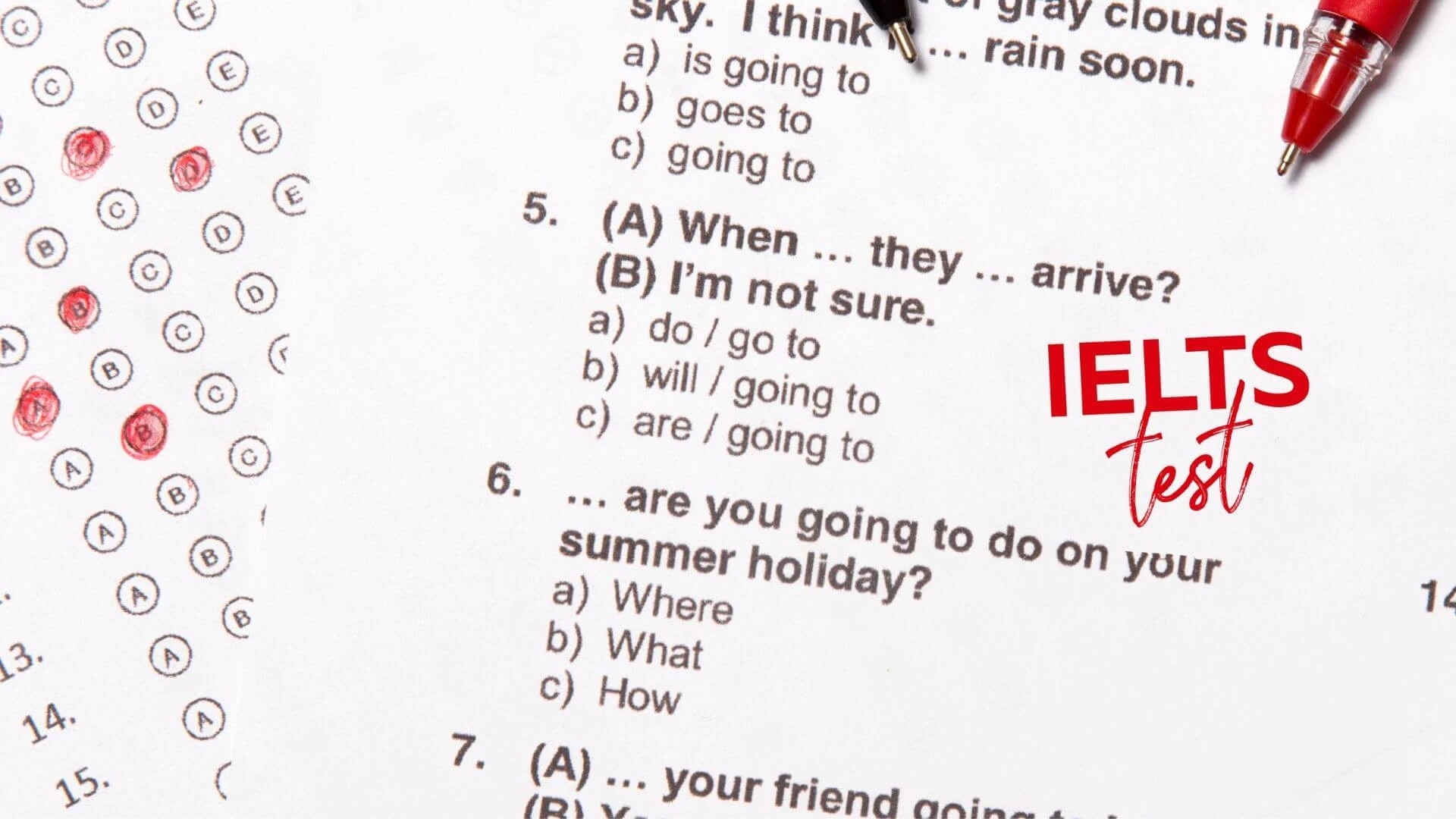
5 Useful Tips To Be Ready For Your English Exam
Examinations can often be tough and stressful time for all students. Here are simple ways to be ready with confidence to score higher in your next English examination.
Like our Post? Share Now!
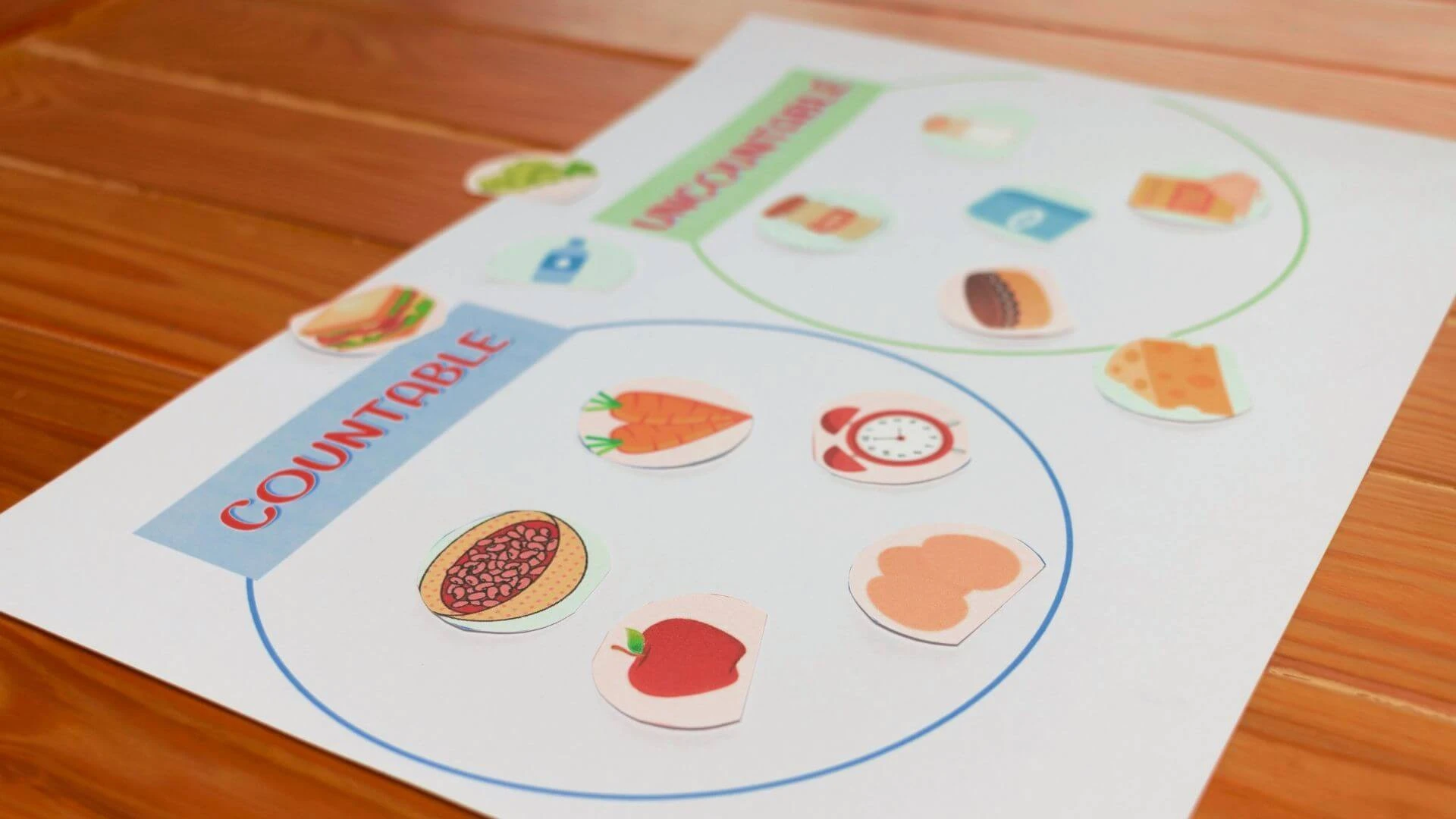
Have you ever gotten confused about whether to say “much water” or “many waters”? Well, you’re not alone! Today, let’s learn some English grammar concepts to understand countable nouns and uncountable nouns. Whether you’re a language newbie or just looking to brush up on your skills, this guide will help you master these tricky parts of speech.
Countable nouns, as the name suggests, are nouns that you can count! Simple, right? These are words for things that can be numbered or quantified. For instance, when you talk about “three cats,” “ten bananas,” “a dozen stars,” or “two English courses,” you’re using countable nouns. These nouns can be singular or plural. When they’re singular, you often use articles like “a” or “an” (e.g., a dog, an apple).
Examples:
One book, two books
A cookie, several cookies
An elephant, three elephants
Uncountable nouns (or mass nouns) are substances, concepts, or collective categories of things that you can’t count individually. This category includes nouns that refer to liquids (water, milk), powders (sugar, sand), gases (oxygen, nitrogen), and abstract ideas (happiness, information).
Examples:
Water (not waters)
Rice (not rices)
Courage (not courages)
Remember, uncountable nouns generally don’t have a plural form. So, saying “sugars” when referring to different kinds of sugar is acceptable, but not when talking about the sugar in your coffee. They often don’t have articles before them.
Use “many” with countable nouns and “much” with uncountable nouns. For example:
I have many friends (countable noun).
There is much excitement about the concert (uncountable noun).
Understanding how to use countable and uncountable nouns with quantifiers and units can greatly improve your ability to communicate precisely and effectively in English. Let’s explore how to pair these nouns with the correct quantifiers and units.
Quantifiers for countable nouns:
Countable nouns are individual items that can be counted. They can be singular or plural.
Quantifiers for uncountable nouns
Uncountable nouns (or mass nouns) refer to items that cannot be counted individually because they denote a mass or collective quality.
Quantifiers for both countable and uncountable nouns
Did you know that some quantifiers can be used with both uncountable and countable nouns? They adapt smoothly whether you’re counting cookies or measuring courage.
For uncountable nouns, using units of measurement can specify exact quantities. This is especially useful in recipes, instructions, and scientific contexts.
Mastering the distinction between countable and uncountable nouns can boost your confidence in English and make your conversations and writing clearer. Join our course in Dubai, and don’t worry about getting everything perfect on your first try. Language learning is a journey, and every mistake is a stepping stone to success. Keep practising, and soon you’ll find these rules coming to you naturally!
Like what you read? We love to keep you updated about everything at ES. Check out our different courses, exciting facts about Dubai, news, updates, amazing success stories from us and much more.

Examinations can often be tough and stressful time for all students. Here are simple ways to be ready with confidence to score higher in your next English examination.

Looking to ace your IELTS Speaking test? Dive into our ultimate guide! Discover essential tips and strategies to boost your confidence and skills for the exam through our IELTS training.

Jump into the world of the progressive tense! Explore how to talk about ongoing actions in the past, present, and future, and make your English conversations lively and engaging.
We don't say that,
At ES Dubai, we make studying English a fun and fascinating experience for every student. A family-like atmosphere in a culturally diverse community at our school is our asset. Our school will become your second home while you learn, discover, and enjoy Dubai.
We offer full time and part time English courses to international students.
inquiries@esworld.com
+971 4 398 2815
+971 52 701 4480