우리 포스트처럼? 지금 공유하세요!
So, you’re preparing for the IELTS Listening test, and you’ve heard that it includes different English accents. Australian, British, American, Canadian, and even New Zealand English—how are you supposed to understand them all? Don’t worry! Training your ear to recognise different accents isn’t as hard as it sounds. In this blog, we’ll explore practical strategies to improve your listening skills and feel confident on exam day.
IELTS is an international test, so it features a variety of English accents. This ensures that candidates can understand real-life conversations in different English-speaking environments. The listening section is designed to reflect how English is used in everyday life—whether in a university lecture, a work meeting, or a friendly chat.
The IELTS Listening test consists of four sections:
Each section may feature different English accents, so preparing your ear for variation is crucial.
Pronunciation Features:
Non-rhotic: The ‘R’ at the end of words is often silent (e.g., car → cah).
Distinct vowel sounds: Words like bath and dance are pronounced with a long “ah” sound, like bahth and dahns.
The ‘T’ sound is clearly pronounced (e.g., butter is bu-tter, not budder).
Common Vocabulary Differences:
How you might hear It in IELTS: University lectures, customer service conversations, and public transport announcements in Dubai
Pronunciation Features:
Rhotic: The ‘R’ is pronounced in all positions (e.g., car → carr).
The ‘T’ sound often sounds like a ‘D’ in the middle of words (e.g., butter → budder).
Shorter vowel sounds compared to British English.
Common Vocabulary Differences:
How you might hear It in IELTS: Business meetings, workplace discussions, and student conversations.
Pronunciation Features:
Mate sounds like might
Day sounds like die
Common Vocabulary Differences:
How you might hear It in IELTS: Travel-related conversations, customer service dialogues, and informal interviews
Pronunciation Features:
Common Vocabulary Differences:
How you might hear It in IELTS: Academic discussions, workplace interactions, and public announcements.
Pronunciation Features:
Common Vocabulary Differences:
How you might hear It in IELTS: Travel and tourism topics, environmental discussions, and casual conversations
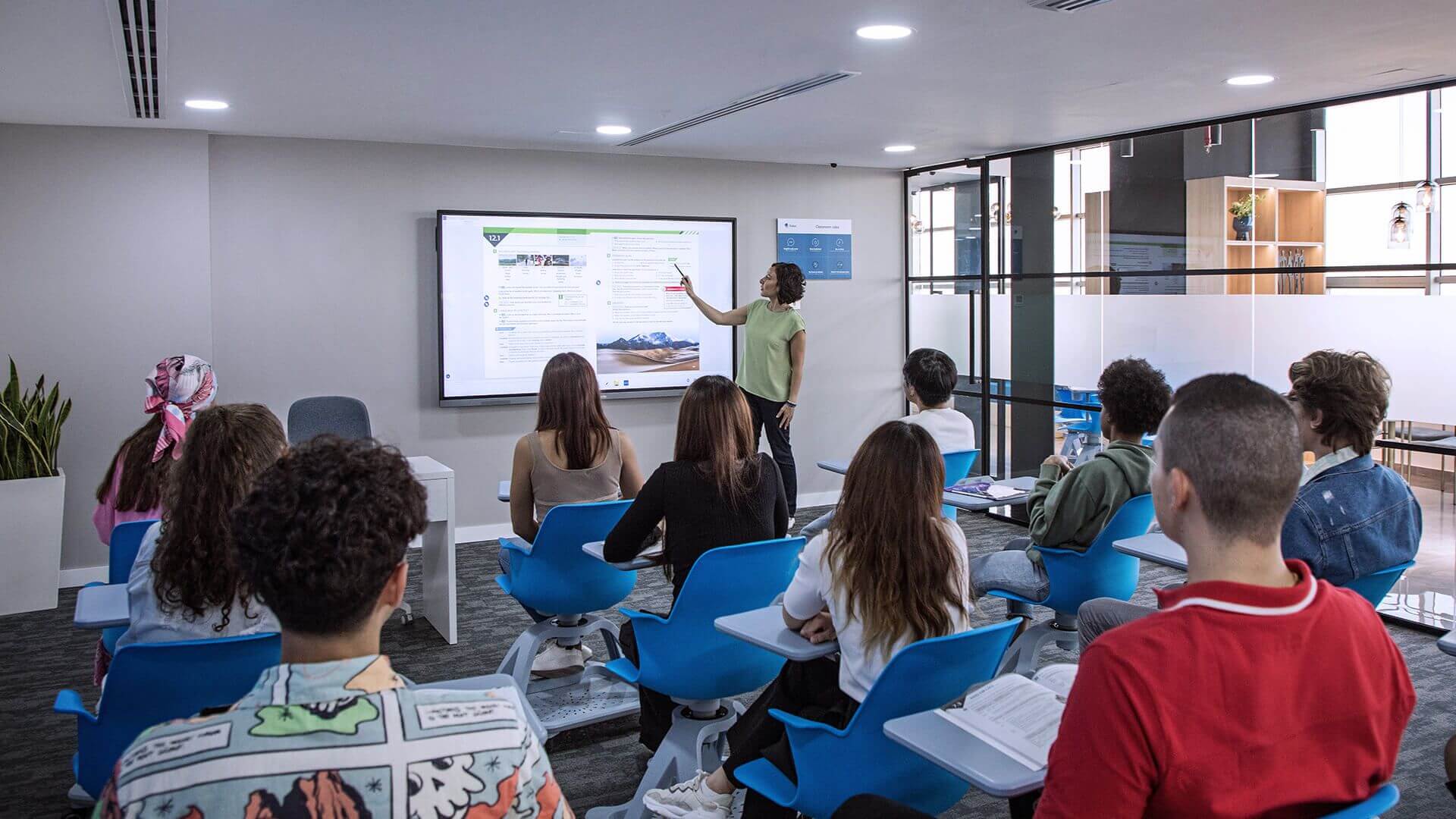
At ES Dubai, we understand the importance of learning English in a way that prepares you for real-life situations. That’s why our English courses, like IELTS preparation courses, incorporate listening practice with different accents. Our experienced teachers use authentic materials, such as recordings from real-life situations, to help you improve.
Whether you’re studying in one of the English schools in Dubai, aiming for IELTS training in Dubai, or looking for top-rated English courses, our programs ensure you build strong listening skills that will help you in exams and beyond.
Are you looking to improve your listening skills further? Join one of our expert-led IELTS courses at ES Dubai!
당신이 읽은 것을 좋아합니까? ES의 모든 것에 대한 최신 정보를 제공해드리고 싶습니다. 다양한 과정, 두바이에 대한 흥미로운 사실, 뉴스, 업데이트, 놀라운 성공 사례 등을 확인하십시오.

풍부한 유산, 혁신, 문화적 다양성을 발견하고 박물관, 갤러리, 문화 체험을 통해 UAE의 문화 경관을 발견할 준비를 하세요.
우리는 그렇게 말하지 않습니다.
ES Dubai에서는 영어 공부를 모든 학생들에게 재미 있고 매혹적인 경험으로 만듭니다. 우리 학교의 문화적으로 다양한 지역 사회에서 가족 같은 분위기는 우리의 자산입니다. 우리 학교는 두바이를 배우고, 발견하고, 즐기는 동안 두 번째 집이 될 것입니다.
우리는 국제 학생들에게 풀 타임 및 파트 타임 영어 코스를 제공합니다.